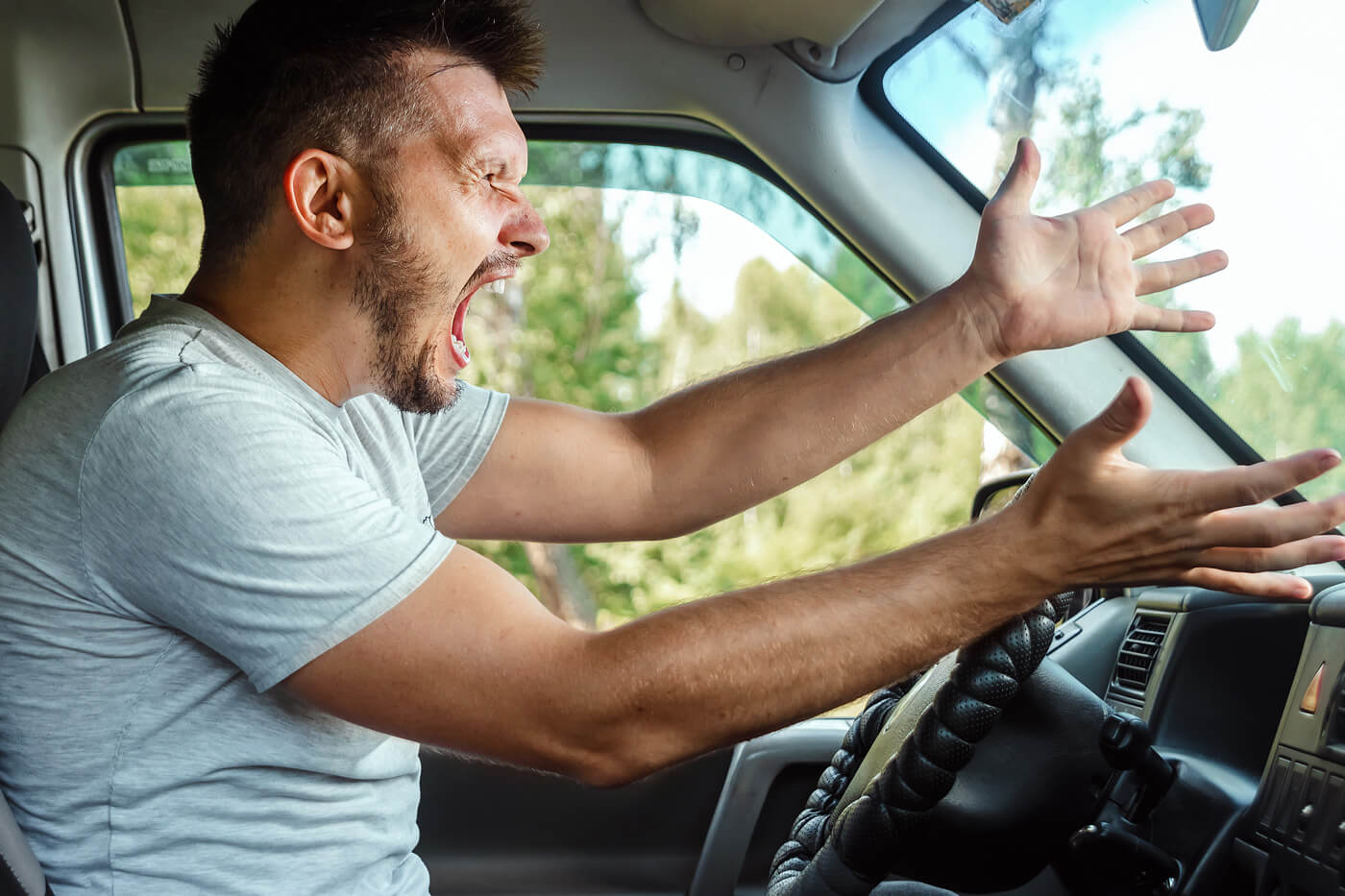
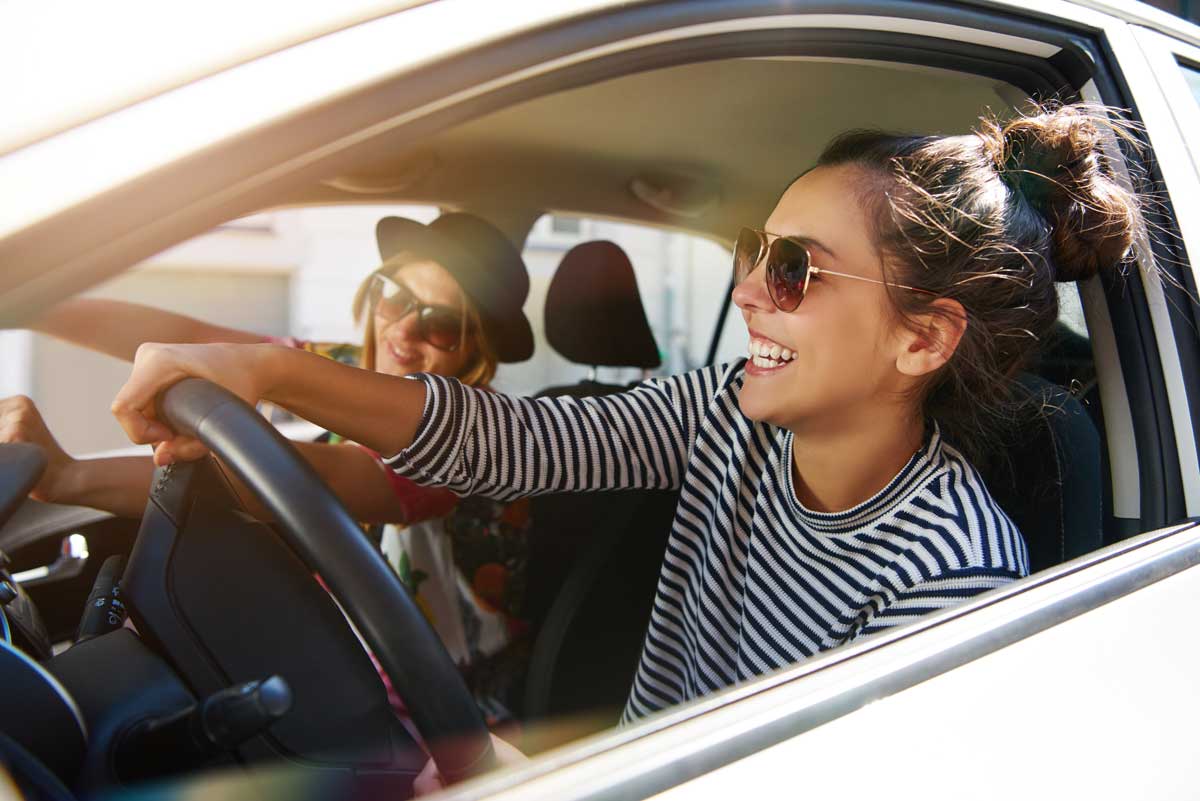
Road rage can turn an ordinary drive into a dangerous spiral of impulsive, high-risk decisions. Understanding what truly works to manage aggressive driving isn’t just about courtesy – it’s essential for your safety and emotional well-being. If you find yourself cursing and honking at other drivers, or tailgating in frustration, you’re not alone, and the consequences can be severe, as described in the previous blog post about road rage. Many partners and family members of aggressive drivers describe feeling anxious or even terrified as passengers, highlighting just how deeply road rage impacts folks in the car. This blog post highlights strategies you can implement to help reduce aggressive driving.
6 Strategies to Help You Cope with Road Rage:
1- Review affirmations
- Young drivers don’t have their prefrontal cortex fully developed and aren’t using judgment as well as I can.
- I share the road with other drivers, and need to work with them too.
- I am a calm and patient driver who arrives safely.
2- Place reminders on your dashboard
- I’m sharing the road with other drivers.
- Challenge myself to drive within the speed limit.
- Let folks merge into the lane in front of me and sit with it.
3- Place photos of family members and loved ones on your dashboard. You want to return to them.
4- Play soothing music that will help with driving more calmly.
5- Don’t drink and drive.
- Before getting into the car, make sure you are not under the influence.
6- Practice empathy while driving.
- If you have been honked at for not moving as quickly or making a mistake, ask yourself what that was like for you, and whether that’s what you truly want to trigger for someone else.
Understand your road rage – working with an anger management counselor.
1- Identify your triggers, and explore why that upsets you so much.
2- Review a list of your expectations.
3- Implement Thought Field Therapy (TFT) and/or EMDR.
4- Experience guided imagery within the session to help you visit the calming place in times of need.
5- From judging to observing and describing the other driver’s behavior instead of labeling. Notice if it shifts your mood.
6- What are your expectations of other drivers? Are they realistic? What do you expect? What happens when your expectations are violated?
General tips to drive more calmly.
1- Be sure you’re getting enough rest. Lack of sleep increases irritability.
2- Time-management. Leave enough time so that running late is not a trigger.
3- If you’re prone to road rage, don’t drive hungry. Have a snack before driving so you can manage your anger more quickly.
Authored by Anita Avedian

Anita Avedian, Licensed Marriage and Family Therapist (LMFT). Anita Avedian, LMFT, is the President of Avedian Counseling Center, located in Sherman Oaks, Woodland Hills, and Glendale. She is very passionate about helping couples rebuild their relationship and to improve their intimacy, trust, and communication. With 25 years of therapy experience, including working with couples and individuals, Anita is seasoned in her work. Contact Avedian Counseling Center to learn more about our couple’s therapy and relationship support at (818) 383-1399. https://avediancounselingcenter.com/