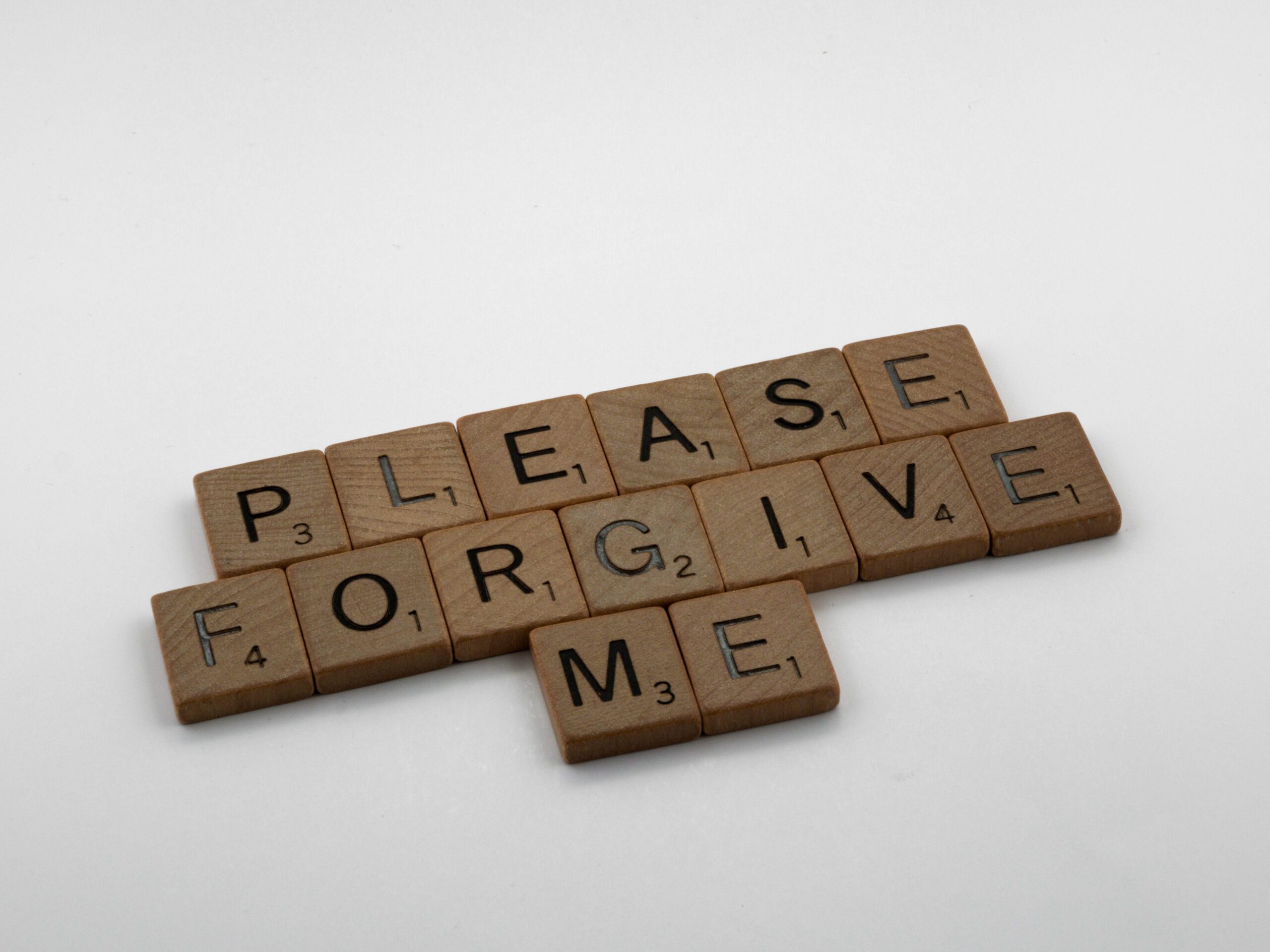
Many people believe that forgiveness is a sign of weakness. There is often a concern that forgiving someone means excusing bad behavior, forgetting what happened, or allowing oneself to be hurt again. As a result, one may tend to hold on to anger and resentment because of the sense of safety it produces, a safety they may not feel in response to the offense.
The reality is that forgiveness is not weakness. In fact, it takes far more strength to release a grudge than to hold on to one. When someone hurts us, it’s normal to feel triggered and for anger to rise in response. However, when anger remains unresolved for months or years, it can evolve into resentment, bitterness, and emotional exhaustion. Placing your future relationships in danger and stifling current ones from peace and harmony.
Why should you forgive?
Many fear that forgiveness means approval, and that when that forgiveness is granted, your feelings and all possibility of accountability go with it. This is a huge misconception. Forgiveness does not mean the behavior was acceptable. It does not mean trust must be restored. It does not mean a relationship must continue. Forgiveness simply means choosing not to allow the offense to continue controlling your emotional life.
It is often believed that when we hold on to our anger, we feel a sense of empowerment, and perhaps we do. However, that empowerment is temporary and gives the impression of protection for the future; unresolved resentment often keeps people emotionally tied to the very experience they want to move beyond. They replay conversations, revisit painful memories, and carry emotional stress long after the event has ended.
Forgiveness offers you freedom from this pain; it offers you peace to move forward.
Without a doubt, the process of forgiveness takes courage. It requires you to confront painful emotions, accept that the past cannot be changed, and make a conscious decision to move forward. None of these actions is easy. In fact, they often require significant emotional maturity and self-awareness. Forgiveness also does not eliminate the need for healthy boundaries. A person can forgive and still decide that certain behaviors are unacceptable. They can forgive and choose not to continue a relationship. They can forgive and still protect themselves from future harm.
Healthy forgiveness includes both compassion and self-respect.
When people forgive, they are not saying that the offense did not matter. They are saying that the offense will no longer have power over their lives. Rather than remaining focused on the person who caused the hurt, choose to focus on your own growth, healing, and peace of mind.
Forgiveness is not surrender.
Forgiveness is not weakness.
Forgiveness is the strength to let go of what you cannot change and move forward with greater peace, resilience, and emotional freedom. At Anger Management 818, our counselors can help you through the process of forgiveness, understand why it’s difficult to let go, and guide you to achieve inner peace.
American Psychological Association. Forgiveness Can Improve Mental and Physical Health. https://www.apa.org/monitor/2017/01/ce-corner
Johns Hopkins Medicine. Forgiveness: Your Health Depends on It. https://www.hopkinsmedicine.org/health/wellness-and-prevention/forgiveness-your-health-depends-on-it
Mayo Clinic. Forgiveness: Letting Go of Grudges and Bitterness. https://www.mayoclinic.org/healthy-lifestyle/adult-health/in-depth/forgiveness/art-20047692

Shamika Anglin is a dedicated and compassionate anger management instructor at Anger Management 818. With a deep understanding of emotional regulation and conflict resolution, she guides individuals through their journeys to healthier relationships and improves communication skills.
Known for her empathetic approach, Shamika creates a safe and supportive environment for individuals to develop effective coping strategies. Driven by a passion for mental health and a commitment to making a positive impact, Shamika continues to encourage the importance of anger management and mental wellness. Whether working one-on-one or facilitating group sessions, Shamika is dedicated to helping individuals achieve lasting positive change in their lives.